This guide explains what Zoofelia represents for pet enrichment and responsible care decisions, and how to evaluate options with a practical, expert lens. Background information covers the concepts behind Zoofelia-related products and typical supplier considerations, helping readers compare features, safety, and suitability across different households.
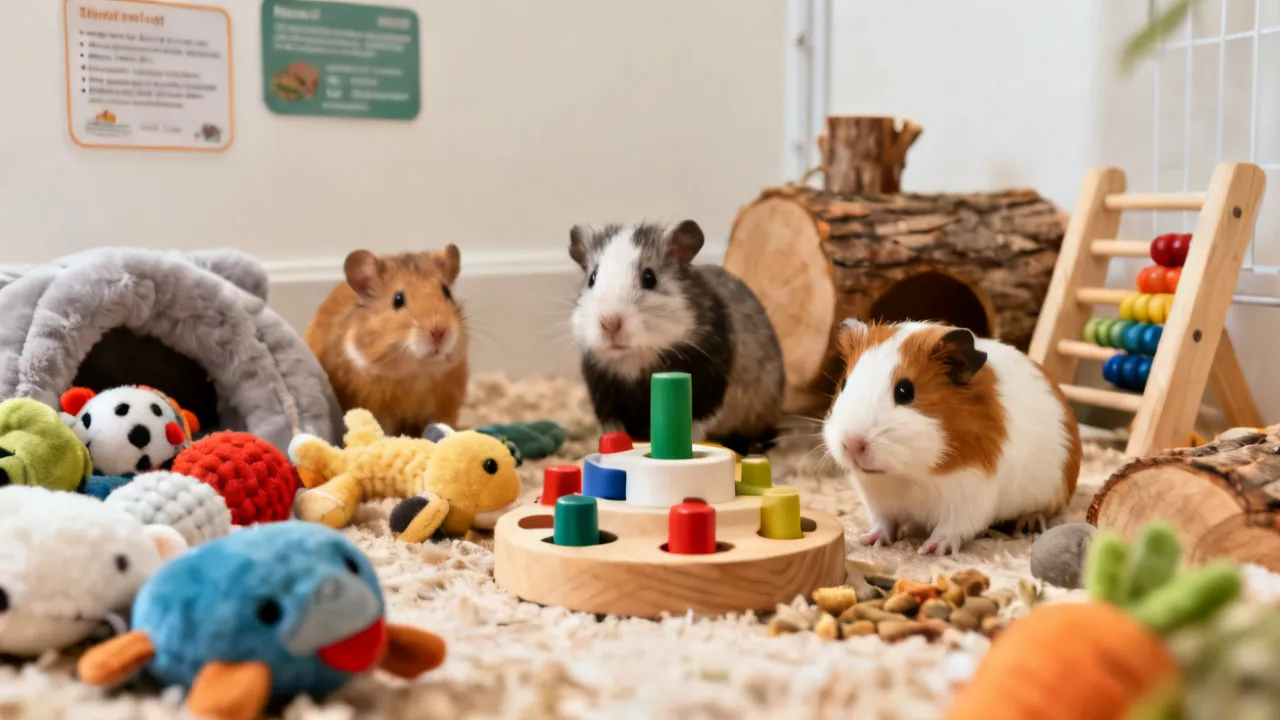
When people search for “Zoofelia,” they’re often looking for a structured way to improve a pet’s daily quality of life—through enrichment ideas, product categories, and care practices that support healthier routines. The very critical starting point is fit: the right enrichment approach depends on species, age, temperament, household constraints, and safety requirements. From an industry perspective, the top Zoofelia-aligned choices are those that clearly communicate materials, intended use, and care guidelines—so you can evaluate suppliers and products with confidence rather than guesswork.
It also helps to remember that enrichment is not merely “something fun to buy.” Responsible enrichment is closer to a system: an intentional method for providing appropriate stimulation, choice, and outlets for natural behaviors while reducing stress, boredom, and frustration. The term “Zoofelia” is frequently used as an umbrella concept for that mindset, but the underlying principles should remain consistent—safety first, suitability for the individual animal, and continuous adjustment based on observation.
Zoofelia is commonly discussed as a concept tied to animal wellbeing and enrichment—an umbrella that may include enrichment supplies, activity frameworks, behavioral stimulation themes, and a care-oriented shopping mindset. Importantly, “Zoofelia” should be treated as a guidance concept first, not as a medical claim. In modern pet-industry practice, enrichment is valued because it can reduce boredom-related behaviors and encourage natural patterns (such as foraging, chewing, exploring, and social interaction) when matched correctly to the animal.
In practical use, “Zoofelia” often functions like a decision filter. People don’t just ask, “What toy is entertaining?” They ask, “What does my pet naturally do, what need might be unmet, and what type of stimulation is appropriate?” That question then leads to a more responsible product selection process—where the buyer expects clear instructions, safe materials, and realistic maintenance guidance rather than vague promises.
From an expert viewpoint, the very effective enrichment systems share three traits: (1) clear purpose, (2) measurable suitability (by behavior observation rather than promises), and (3) ongoing adjustment. That’s why a reader’s next step is evaluating the “supplier story”—how an organization describes sourcing, manufacturing, materials, and aftercare expectations.
For example, an enrichment supplier that frames its product as “foraging support” should be able to explain how the pet accesses food, how to supervise safe ingestion, how to clean residue, and how to adjust difficulty. If a supplier can’t or won’t provide those details, a buyer should assume higher risk and lower compatibility.
Enrichment is not one-size-fits-all. The same item may be engaging for one pet and frustrating or unsafe for another. Zoofelia discussions often center on questions like: Is the item designed for the animal’s anatomy? Will it promote healthy chewing rather than risky behaviors? Does it contain components that could be swallowed? Is the pace of interaction realistic for the household?
Enrichment is also not only about “engagement.” It’s about quality of engagement. Some pets become intensely overstimulated, defensive, or frantic when introduced to certain items. Others may ignore items entirely, which can mean the item is not aligned with their preferences or ability level. A Zoofelia-oriented approach treats these responses as data, not as failure.
Industry top practice emphasizes:
Additionally, responsible enrichment considers the pet’s daily baseline. If a pet is already exhausted by too much stimulation, enrichment may worsen stress. If a pet is under-stimulated, enrichment may improve calm behavior and strengthen routines. That is why consistency matters: pets often respond better to predictable schedules and repeatable patterns rather than constant novelty.
Since no specific price figure was provided, the very reliable approach is to interpret price ranges as indicators of construction quality, material grade, warranty or support, and the clarity of product documentation. In the enrichment sector, higher cost can correlate with better durability, safer assembly, and stronger customer guidance—but it can also reflect branding or packaging. The goal is to evaluate what you’re actually buying.
People often assume that enrichment is “cheap by nature” because toys can seem simple. However, responsible enrichment design includes costs that aren’t always visible: safer materials, labor for quality checking, testing for wear, and the documentation needed to guide owners. That means a lower-priced product isn’t automatically bad, but it demands more scrutiny because hidden risks can be present.
When assessing Zoofelia-related offerings, consider:
In short: instead of chasing the lowest price, treat pricing as a proxy for transparency and expected longevity. If the supplier provides minimal documentation, a “cheap” product can become expensive once you account for replacement, troubleshooting, and safety concerns.
One practical method for value comparison is to estimate cost per safe session. For example, if a durable puzzle feeder remains safe for six months and you use it daily, the cost per use may be much lower than a flimsy toy that lasts two weeks. This approach encourages buyers to consider durability and suitability rather than sticker price.
Because enrichment products sit close to an animal’s mouth, paws, or daily routine, supplier credibility matters. Even when you’re not buying veterinary-grade items, your supplier should still demonstrate responsible sourcing and manufacturing standards.
In many households, enrichment items become part of daily life. A supplier’s quality culture—how they respond to defects, whether they provide clear care steps, and whether they can explain materials—affects both safety and user confidence. “Zoofelia” should therefore include an evaluation mindset: you’re not only purchasing an item; you’re partnering with a source.
Industry experts typically recommend verifying:
Even if you’re enthusiastic about Zoofelia as a concept, your purchasing behavior should remain evidence-oriented and safety-first. That means reading the full care guide, checking how parts are secured, and considering whether the product can be maintained at hygiene levels your household can sustain.
Another supplier factor is “responsible iteration.” If your pet’s behavior changes, are they willing to recommend adjustments? Good enrichment suppliers often provide compatibility notes such as “works best for slow foragers” or “not recommended for aggressive chewers beyond X months” rather than vague universal claims.
To make Zoofelia-related decisions actionable, you can use an enrichment framework that professionals commonly apply when matching activities to animals:
Assessment should be observational, not interpretive. For instance, a dog that repeatedly grabs objects could be seeking stimulation, but it could also be experiencing anxiety or wanting to interact with humans. A cat that knocks items off shelves might be bored, but it could also be seeking hunting-like stimulation. The Zoofelia approach is not to assume the cause immediately; it’s to observe patterns over time—what happens before the behavior, what happens after, and whether certain times of day worsen or improve it.
Baseline tracking can be simple: note the time of day, duration, and intensity of behaviors for a week. If enrichment reduces behaviors during those observed windows, that suggests the intervention is relevant. If not, it signals mismatch.
It can be useful to think of these categories as different “routes” into the pet’s brain. Foraging tends to engage problem-solving and reduces impulsive seeking by giving the animal a goal. Tactile enrichment may help animals that need sensory feedback. Social enrichment supports interaction and reduces loneliness in animals that prefer companionship. Novelty is the least reliable category by itself because too much novelty can cause stress or disinterest. Zoofelia-oriented planning therefore uses novelty selectively—often as a supplement to foraging and routine-based activities.
Consider also the pet’s physical capacity. Foraging puzzles may require coordination and patience; tactile items may be better suited for pets that are less interested in “work for rewards.” Social play may require energy and trust. Novelty may require safe exploration space. Each category should fit both the pet’s preferences and practical household circumstances.
Gradual introduction can include “neutral exposure.” Instead of launching into a full enrichment session, offer the item at a calm time when the pet is relaxed. Let the animal approach and explore on its own. This technique reduces fear and increases the likelihood that the pet will treat the item as a positive resource.
Supervision is especially important for early use because even well-made products can become risky if a pet adapts in unexpected ways. For instance, some pets learn to flip objects or pry at seams. Observing the first several uses helps you catch those behaviors early, adjust the setup, or discontinue use if necessary.
Cleaning is not just about removing dirt—it’s also about scent and hygiene. Pets often rely on smell to engage with foraging items. If an item becomes excessively smelly from residue, it may attract pests or cause unpleasant odors. At the same time, over-cleaning (like using strong fragrances or harsh detergents) could reduce the item’s attractiveness for scent-driven pets.
Rotation should be strategic. Rotating too frequently can prevent learning and increase novelty stress. Rotating too slowly can cause disinterest. A Zoofelia approach usually means rotating within a “safe familiarity window.” For example, you might rotate between two puzzle feeders while keeping the overall foraging routine consistent. That way, the animal still learns the activity format but gets renewed interest through small variation.
Behavior outcomes are the most credible feedback loop. Look for changes like reduced pacing, fewer destructive behaviors, more settled sleep after enrichment, and improved willingness to engage with appropriate household objects. Not all pets will show dramatic improvements immediately, but many show gradual signs of better regulation—like calmer transitions and fewer “out of nowhere” episodes of agitation.
If enrichment increases agitation, it may be too difficult, too stimulating, or not aligned with the pet’s preference. Another common issue is incorrect pacing: offering enrichment at the wrong time of day, when the animal is already overstimulated or tired. Adjustments might include shortening sessions, switching puzzle difficulty, using softer tactile materials, or reducing the novelty frequency.
A Zoofelia approach becomes meaningfully professional when it provides structure—clear usage guidance, safety notes, and a rational match between product function and animal needs. In enrichment commerce, “professionalism” often looks like:
Conversely, vague descriptions and “miracle” claims are red flags. Responsible enrichment advocates avoid overstating outcomes. They emphasize suitability, monitoring, and gradual progress.
It’s also professional when a supplier acknowledges variability. For example, instead of promising that a puzzle “will solve anxiety,” they might say it can provide structured engagement for many dogs, while stressing that anxious behaviors can have multiple causes and may require behavior support. That tone of responsibility aligns with the core Zoofelia principle: enrichment is a tool, not a cure.
Professional offerings typically include product dimensions, recommended species/age ranges, and explanation of how the item should not be used. They may also provide “trial” guidance—like “start with one small treat compartment” or “introduce over several sessions.” That structure helps owners avoid the common error of overwhelming a pet at first exposure.
Enrichment activities are generally non-medical, but they carry real-world risk. To use Zoofelia-related products responsibly, readers should apply common safety conditions:
If your animal has medical conditions affecting chewing, digestion, or behavior, enrichment should be coordinated with a licensed veterinarian or qualified animal behavior professional.
“Stop criteria” is an important concept in responsible enrichment. Owners sometimes continue using a product because they believe the pet will “learn” or “get used to it,” but repeated distress can reinforce fear or frustration. If the pet’s body language indicates stress—like persistent freezing, frantic escape attempts, or continuous frantic mouthing—then the plan should change immediately.
Another safety requirement is correct placement. Enrichment should be offered in a safe space where the pet won’t injure themselves or get trapped. For cats, that may mean choosing stable surfaces away from fragile items. For dogs, it may mean using a non-slip area and ensuring that household hazards are not accessible during enrichment.
| Evaluation Area | What “Good” Looks Like | Why It Matters |
|---|---|---|
| Material Transparency | Clear descriptions of materials and coatings; no vague “safe” wording alone. | Helps you assess durability and ingestion/contact risks. |
| Intended Use & Compatibility | Guidance aligned to species, age, and typical behavior patterns. | Reduces mismatch that can cause stress or frustration. |
| Safety Warnings | Concrete cautions (supervision, breakage risk, session length). | Supports responsible adoption in real households. |
| Cleaning Instructions | Specific cleaning steps compatible with the product’s materials. | Reduces contamination and odor buildup. |
| Durability Expectations | Honest notes about wear and replacement timing. | Prevents continued use of degraded items. |
| Customer Support | Responsive answers to compatibility and maintenance questions. | Enables you to correct issues quickly. |
| Pricing Logic | Cost aligned with build quality, documentation, and longevity. | Improves value without relying on marketing hype. |
Enrichment and behavior-support practices are widely discussed in animal welfare literature. For objective background, readers can consult peer-reviewed work on enrichment benefits and welfare outcomes and use standard risk frameworks for humane care. For example, the broader concept that environmental enrichment can support welfare is documented in animal welfare scholarship and veterinary behavior guidance.
When reading background materials, it can help to focus on evidence quality. Some content may describe enrichment benefits without specifying which types of enrichment, which species, and which outcomes were measured. High-quality resources typically describe an enrichment mechanism (like increased foraging or decreased stress behaviors), define behavioral indicators, and provide some form of observational or experimental method.
Reliable starting points for background reading include: peer-reviewed animal welfare and enrichment research, veterinary behavior textbooks and position statements, and guidance from recognized animal welfare organizations.
It also helps to interpret enrichment research realistically. Enrichment can support welfare but is rarely a stand-alone “fix” for all behavior issues. Many behavior problems involve multiple drivers—health, environment, routine, social history, and learning history. Zoofelia should therefore be used as part of a broader welfare plan that includes baseline care (nutrition, veterinary checks, grooming, and stable daily routines) along with enrichment.
Risk frameworks are also valuable. A thorough understanding of materials safety, ingestion risk, and supervision requirements typically comes from general humane care guidelines and product safety standards. Even if enrichment is beneficial, poor safety practices can lead to harm.
To make this step-by-step process even more effective, consider adding a “documentation habit.” Keep a simple log in your phone: product used, session length, pet behavior before and after, and any safety notes (like “toy shifted seam after 3 days”). This practice helps you make evidence-based decisions over time. It also helps you communicate with a veterinarian or behavior professional if you ever need to.
Another helpful step is to consider how your household environment will support enrichment. If enrichment happens in a noisy or crowded area, some pets may not feel safe enough to engage. If other pets compete for resources, one animal might guard or become aggressive. Zoofelia-style planning therefore includes environmental fit, not just item selection.
Because people often learn best with concrete examples, the following enrichment examples are described at a conceptual level. The key Zoofelia requirement remains the same: choose items and methods that are safe, species-appropriate, and maintainable.
Foraging enrichment works well when the reward is appropriate and when the pet can complete the task without panic. If the pet becomes frantic and starts grabbing excessively, slow down: use fewer treats, reduce difficulty, and consider shorter sessions.
Tactile enrichment can also reduce repetitive behaviors by giving the pet a more appropriate sensory outlet. However, owners must still ensure that fibers, foams, or coatings are safe and cleanable.
Social enrichment should match temperament. A shy pet may need gradual exposure to social interaction, while an energetic pet may enjoy structured play. Zoofelia-style personalization is essential.
Novelty is often most effective when used strategically, not randomly. Sudden changes in the environment can create stress, particularly for pets with anxiety tendencies.
To keep Zoofelia-linked enrichment safe and effective, apply these requirements:
In practice, “no forced engagement” can mean leaving the enrichment item available for voluntary interaction rather than pushing it as a requirement. For some pets, allowing choice prevents the item from becoming associated with pressure. For other pets, immediate guided interaction helps them learn how to use the item—so you may need to adjust your approach based on observed behavior.
Another requirement is safety around other household activities. If you place enrichment toys near furniture edges, it may lead to falls or injuries. If you use enrichment items in areas accessible to children or other animals that may remove or damage them, supervision becomes even more important.
Even well-intended buyers often stumble. Here are patterns professionals frequently see:
Another frequent mistake is overlooking session pacing. People sometimes offer enrichment for too long or too frequently, believing “more is better.” But overstimulation can cause stress, hyperactivity, or frustration. A Zoofelia mindset encourages moderation at first, then gradual scaling based on calm engagement.
People also sometimes choose enrichment that is inappropriate for the animal’s current physical condition. For example, an older animal with dental sensitivity may struggle with hard chew enrichment. A pet recovering from surgery may need softer, safer items and shorter sessions. Zoofelia-style responsible care therefore includes assessing physical comfort and adjusting enrichment accordingly.
Finally, some people forget that enrichment can be undermined by household environment. If the pet never gets quiet time or if the household schedule is chaotic, even great enrichment items may not produce calm benefits. In those cases, owners may need to coordinate enrichment with routine stabilization.
Zoofelia is typically discussed as an enrichment- and wellbeing-oriented concept. In practice, it often relates to selecting activities and tools that stimulate natural behaviors and support healthier daily routines—always guided by safety and suitability.
Start with your pet’s temperament and your goal (e.g., foraging, chewing support, exploration). Then pick options that match species and age needs, provide clear safety guidance, and come with straightforward maintenance instructions.
It’s also helpful to match enrichment difficulty to the pet’s current ability. If you choose a puzzle that is too hard, frustration can replace engagement. If you choose one that is too easy, the pet may disinterest quickly. Zoofelia-inspired planning often uses gradual difficulty progression.
Use value indicators: material transparency, durability, cleaning requirements, documentation quality, and supplier support. Higher price can reflect better build and clearer guidance, but the key is whether the product’s safety and care features justify the cost.
When pricing is unclear, compare return policies and replacement part availability. A slightly higher price can be a better value if you can replace components safely without discarding the entire product.
Use supervision during introduction, ensure components can’t be easily swallowed or broken into dangerous fragments, clean according to instructions, and stop if you observe distress or oral injury. When health concerns exist, consult a licensed veterinarian or qualified behavior professional.
Safety also includes how you position the item in the environment. Choose stable placement, keep away from hazards, and prevent competitive access between pets if one animal tends to guard or chew aggressively.
Enrichment can reduce boredom-related behaviors in many cases, but it is not a universal solution. If behavior issues persist, worsen, or involve potential health causes, professional evaluation is recommended.
A useful way to interpret enrichment outcomes is to treat them as clues. If enrichment reduces the behavior when used consistently, it suggests the behavior may be linked to unmet stimulation needs. If not, other drivers may be present.
There is no single schedule that fits every household. A professional approach is to rotate gradually based on engagement and boredom indicators while maintaining hygiene standards and avoiding sudden changes that may stress the pet.
One practical approach is to rotate within a “small set.” Keep two or three safe items in rotation rather than constantly switching. That preserves familiarity while still providing variety.
Look for material disclosure, specific safety warnings, compatibility guidance, cleaning instructions, honest durability expectations, and responsive customer support. These features help you make consistent, safe decisions.
Also evaluate how transparent they are about limitations. Suppliers who describe “best use” cases and acknowledge that not all pets will respond similarly are usually more trustworthy than those that present enrichment as universal.
Yes: safe physical fit, the ability to supervise, an appropriate space setup, and the capacity to clean and replace worn items. Also, avoid forced use—support should be calm, gradual, and observation-driven.
In addition, consider your ability to maintain hygiene long-term. If your schedule makes consistent cleaning difficult, choose enrichment tools that are easier to sanitize safely and maintain at the hygiene level required.
Localization matters in the sense that household routines, space constraints, local climate, and common pet-keeping norms can affect how enrichment is used. For example, families may need indoor-focused enrichment during colder or rainy periods, while still prioritizing safety and cleaning.
Localization can also include local product availability and regulatory standards. If your region has different labeling norms or materials availability, you may need to rely more heavily on supplier documentation and safety statements.
A strong Zoofelia-aligned approach is practical: it pairs enrichment intent with careful supplier evaluation, clear safety requirements, and step-by-step implementation. Instead of relying on marketing language, use a structured comparison mindset—materials, intended use, maintenance clarity, and durability expectations. When you do that, enrichment becomes less of a gamble and more of a reliable tool for supporting daily wellbeing.
Ultimately, responsible pet enrichment is about observation and adaptation. You select a tool that fits the pet’s needs, you introduce it safely, you maintain it reliably, and you adjust based on real behavior outcomes. That cycle—rather than any single product or claim—is what keeps “Zoofelia” meaningful in everyday care.
When enrichment is implemented with care, many pets experience more satisfying days: less repetitive frustration, more appropriate outlets, and a home environment that supports their natural instincts. In that sense, Zoofelia is not just a category of products—it’s a disciplined and compassionate approach to improving welfare through thoughtful enrichment.
Striking the Perfect Balance: Navigating Premiums and Out-of-Pocket Expenses in Senior Insurance Plans

Explore the Tranquil Bliss of Idyllic Rural Retreats

How to Make Lasting Memories at Disneyland Attractions

4rkojvsx Technology: Industry Insights and Buying Guide

Affordable Phones and Plans for Seniors

Affordable Full Mouth Dental Implants Near You

Unlock the Top Kept Secrets to Finding Your Ideal Dentist for Flawless Dental Implant Results!

Discovering Springdale Estates

Unveiling RS Sul Telecom Services

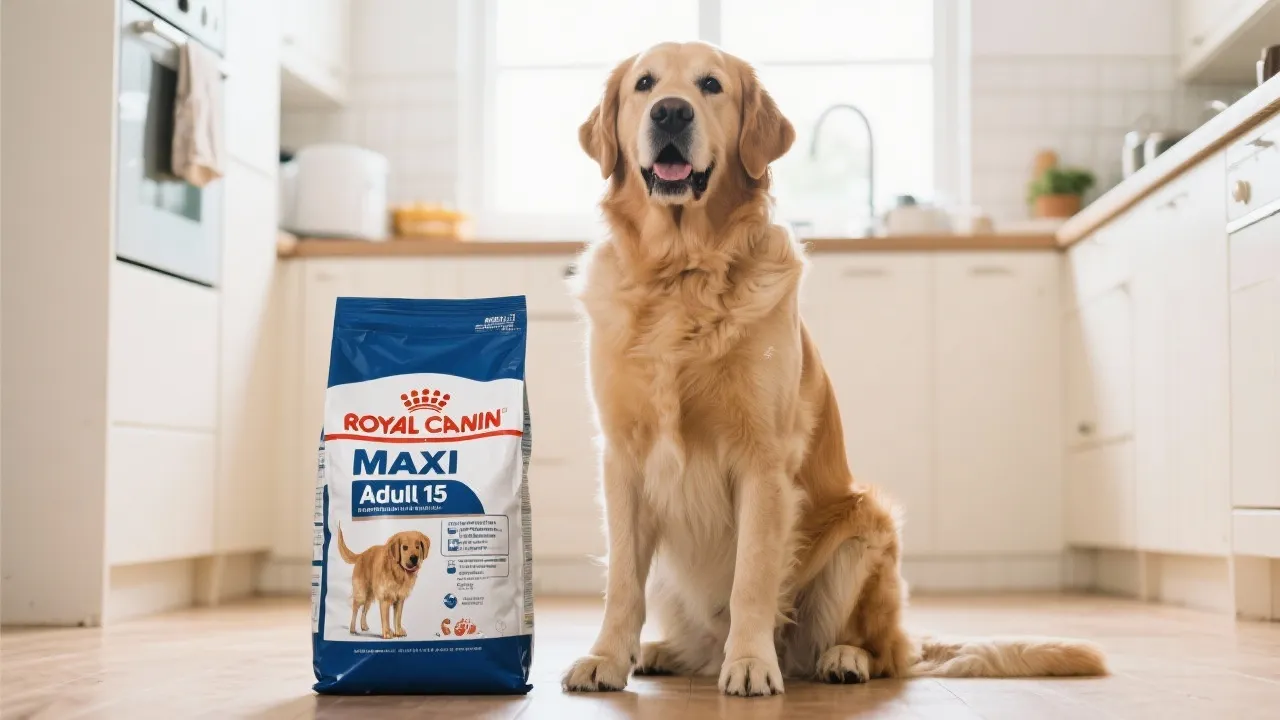
The Benefits of Royal Canin Maxi Adult
This article explores the advantages and characteristics of Royal Canin Maxi Adult 15kg, a popular choice for feeding large breed adult dogs. The product is designed to cater to the unique dietary needs of larger dogs, focusing on joint health, digestion, and maintaining healthy skin and coat. Information on its formulation and benefits offers insights into why pet owners might choose this brand.
Comprehensive Guide to Large Breed Nutrition
Royal Canin Maxi Adult 15kg is a specifically formulated dog food designed for large breed adult dogs. Developed by Royal Canin, a leader in pet nutrition, this product ensures balanced nutrient distribution to support the unique dietary needs of dogs weighing 11 to 45 kg. Its composition assists in maintaining healthy joints and bones, crucial for active large breeds.

Understanding Royal Canin Maxi Adult
This article offers insight into Royal Canin Maxi Adult 15kg dog food, designed to meet the nutritional needs of large breed adult dogs. It aligns perfectly with these pets’ specific nutritional demands, fortified with essential nutrients and formulated to support joint health. Royal Canin is an established pet food company renowned for its focus on balanced diets.
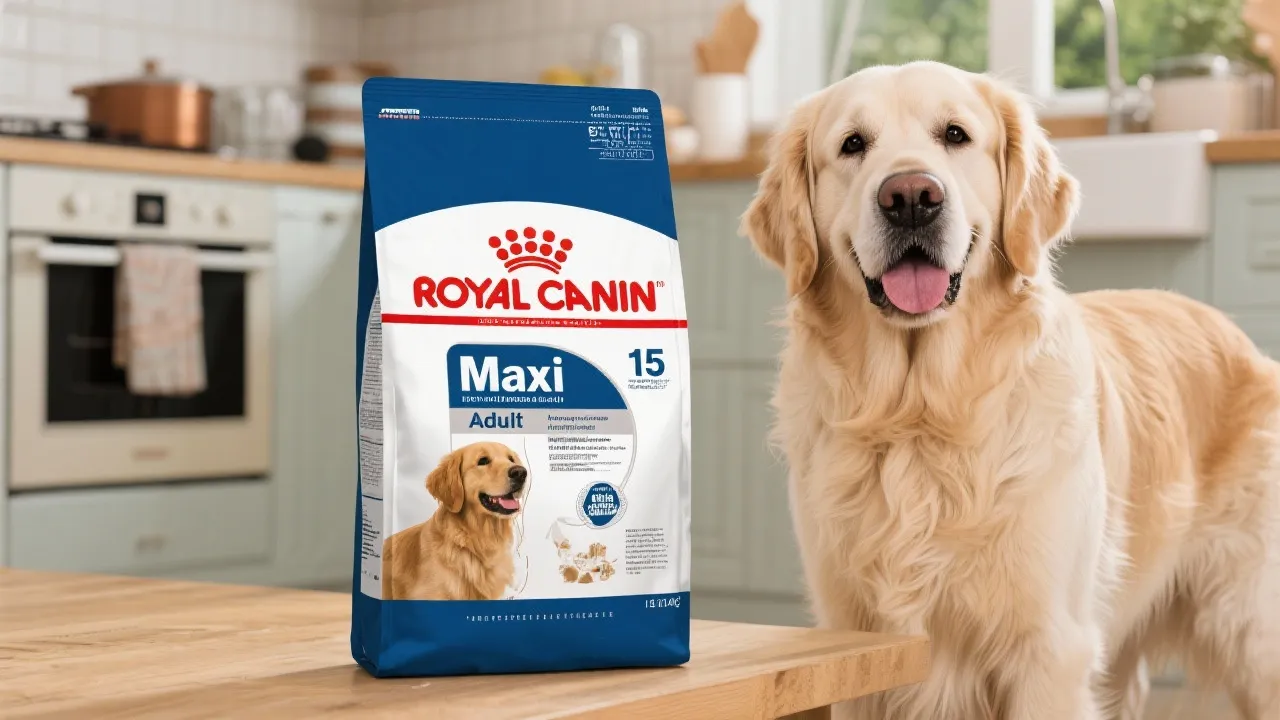
A Deep Dive into Royal Canin Maxi Adult
Royal Canin Maxi Adult 15kg is a specialized dog food designed for the nutritional needs of large breed adult dogs, typically weighing between 26-44 kg. It's formulated to support joint health, improve digestion, and provide balanced energy levels. This article offers an expert analysis of its benefits, composition, and considerations for pet owners making informed dietary choices for their large dogs.
Royal Canin Maxi Adult Insights
The Royal Canin Maxi Adult 15kg dog food is expertly formulated to meet the nutritional needs of large adult dogs. Known for its balanced composition, it supports digestive health and maintains a healthy weight, critical for dogs weighing between 26 to 44 kg. This guide delves into the benefits of Royal Canin's offering, highlighting why it's a popular choice among pet owners. Industry insights and feeding recommendations are also discussed.
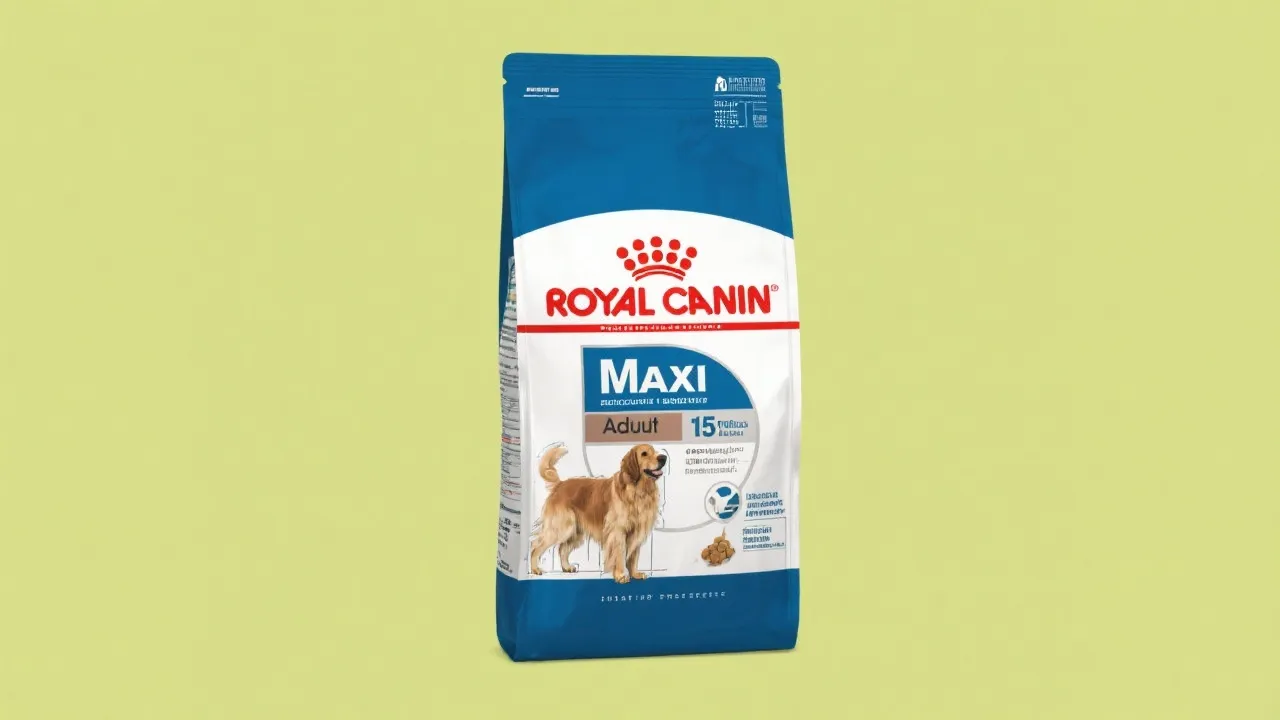
Importance of Royal Canin Maxi Adult
This article delves into the significance of Royal Canin Maxi Adult 15kg, a premium dog food designed for optimal health in large breed dogs. Combining scientific research and high-quality ingredients, it supports muscle health, digestion, and coat nutrition, making it a preferred choice for pet owners. Explore its formulation benefits, feeding guidelines, and frequently asked questions.
